Featured
Table of Contents
- – The Managers That Fuel Excellence
- – Parts Work: Exploring Your Inner System
- – Creating Inner Safety in IFS for High-Achieve...
- – High-Functioning Depression Behind the Facade...
- – Understanding the Impact of Ancestral Wounds...
- – Gentle Self-Regard for Depression Practitioners
- – Relational Trauma and Career Patterns
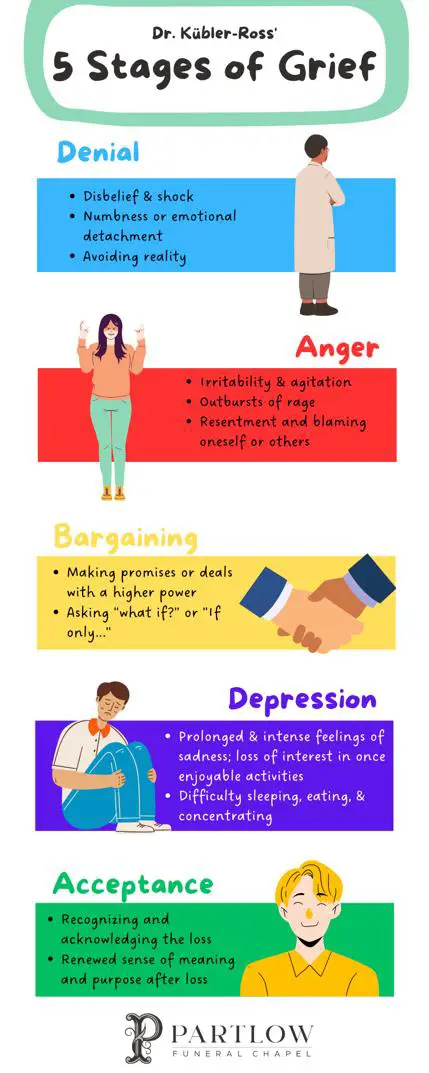
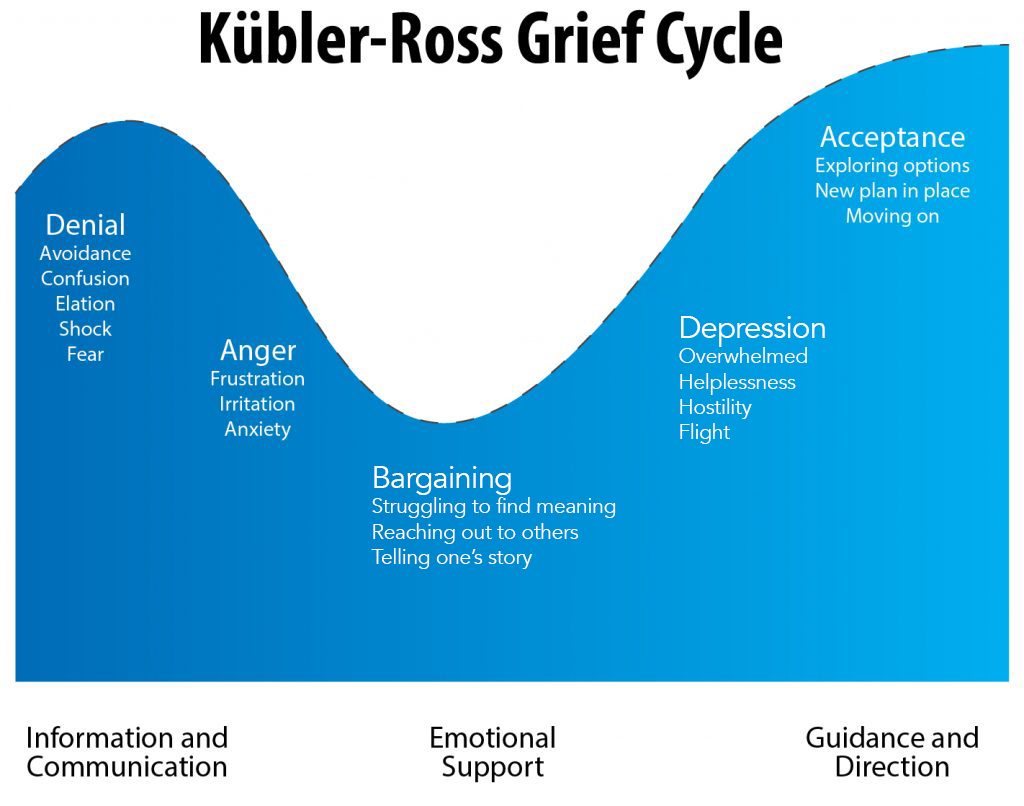
As you relocate out of the rejection phase, however, the feelings you've been hiding will start to increase. That is likewise part of the trip of grief, however it can be hard.
This rage might be rerouted at other individuals, such as the person who died, your ex-spouse, or your old employer. You might also aim your temper at motionless objects. While your reasonable mind knows the things of your rage isn't responsible, your sensations then are also intense to act according to that.
The Managers That Fuel Excellence
It may not be clear-cut fury or craze. Not everybody will experience this phase of grief. However others may remain right here. As the anger subsides, nonetheless, you may begin to believe even more logically concerning what's taking place and feel the feelings you have actually been pushing apart. In the negotiating phase of sorrow, you might discover on your own producing a great deal of "what if" and "so" declarations.
Throughout this time, you might feel vulnerable and helpless. In those minutes of intense emotions, it's not uncommon to try to find means to regain control or to intend to seem like you can impact the result of an occasion. It's likewise not unusual for religious people to attempt to negotiate or promise to God or a greater power in return for recovery or relief from pain and pain.
Parts Work: Exploring Your Inner System
In the very early phases of loss, you may be ranging from the emotions, attempting to remain a step ahead of them. By this factor, nevertheless, you might have the ability to accept and resolve them in a more healthful manner. You might additionally select to separate yourself from others in order to totally deal with the loss.
Like the various other stages of pain, depression can be tough and unpleasant. It can feel frustrating. You might feel clouded, hefty, and perplexed. Anxiety may seem like the unpreventable touchdown factor of any type of loss. Nonetheless, if you really feel stuck right here or can not seem to pass this phase of despair, you can chat with a mental health expert.
Approval is not always a happy or uplifting phase of pain. It does not imply you have actually relocated past the grief or loss.
Creating Inner Safety in IFS for High-Achievers in Sacramento
Want to acceptance as a method to see that there may be extra good days than negative. There may still misbehave which's OK.Grief is various for each person. There's no exact time structure for each stage. You might continue to be in one of the phases of grief for months however miss other phases totally.
It takes some time to go with the mourning procedure. Not every person experiences the stages of despair in a straight way. You may have ups and downs, go from one phase to another, and after that return. In addition, not everybody will experience all phases of grief, and you might not experience them in order.
While everyone experiences pain in a different way, identifying the different stages of sorrow can aid you prepare for and understand some of the responses you might experience throughout the grieving process. It can additionally aid you know your demands when grieving and locate methods to fulfill them. Comprehending the mourning procedure can eventually help you pursue acceptance and recovery.
High-Functioning Depression Behind the Facade of Success
They can also aid you approve that your sensations are not uncommon or incorrect. You might acknowledge feelings that a stage explains, and this will aid you understand which stage you remain in. Nevertheless, there is no set means of identifying a stage. Stages can likewise come and go, and and earlier phase can return later.
Despair is an universal human experience that touches everybody at some time in life. Whether it's the loss of an enjoyed one, the end of a connection, an occupation obstacle, or one more considerable change, sorrow is the natural emotional response to loss. According to the American Psychological Association, about 10-20% of people experience complex griefa relentless form of intense griefafter shedding somebody close to them.
It represents the strength of your love and the depth of your loss. The bargaining stage usually involves a collection of "what if" and "so" thoughts as you psychologically discuss for a various result: "If just I had taken them to the medical professional faster ..." "What happens if I had been a much better partner/friend/child?" "I assure to be a much better individual if this discomfort vanishes"A 2020 review in the Journal of Therapy Psychology discovered that negotiating ideas occurred in around 57% of bereaved people, with higher prices among those dealing with sudden or unexpected losses.
Understanding the Impact of Ancestral Wounds on Achievement
Acceptance does not suggest you're "over it" or that the discomfort has actually vanished. Instead, it suggests you're learning to live with the loss as part of your story: Changing to a brand-new reality Discovering brand-new regimens and patterns Experiencing moments of pleasure without sense of guilt Being able to discuss the loss a lot more easily Producing significance from your experienceA longitudinal research released in JAMA Psychiatry found that many bereaved people reached some degree of approval within 6-24 months, though this timeline differs significantly depending upon factors like partnership to the dead and situations of fatality.

While every person experiences sorrow in different ways, identifying the various stages of sorrow can help you prepare for and understand several of the responses you may experience throughout the mourning process. It can additionally assist you know your needs when regreting and locate means to satisfy them. Recognizing the mourning process can eventually aid you pursue approval and recovery.
You may identify feelings that a stage describes, and this will help you recognize which phase you are in. Stages can also come and go, and and earlier stage can return later.
Gentle Self-Regard for Depression Practitioners
Pain is a global human experience that touches everybody eventually in life. Whether it's the loss of an enjoyed one, completion of a relationship, an occupation setback, or an additional significant modification, grief is the all-natural psychological feedback to loss. According to the American Psychological Association, about 10-20% of people experience complex griefa relentless form of intense griefafter shedding a person near to them.
It stands for the intensity of your love and the depth of your loss. The negotiating stage commonly includes a series of "suppose" and "so" thoughts as you emotionally discuss for a different result: "So I had taken them to the physician sooner ..." "What happens if I had been a much better partner/friend/child?" "I assure to be a better individual if this pain goes away"A 2020 evaluation in the Journal of Therapy Psychology found that bargaining thoughts happened in approximately 57% of bereaved individuals, with higher rates amongst those handling unexpected or unforeseen losses.
Relational Trauma and Career Patterns
Acceptance doesn't indicate you're "over it" or that the discomfort has vanished. Instead, it indicates you're learning to live with the loss as part of your tale: Adapting to a brand-new fact Locating new routines and patterns Experiencing minutes of happiness without guilt Being able to mention the loss a lot more easily Developing significance from your experienceA longitudinal research published in JAMA Psychiatry found that most bereaved individuals reached some degree of acceptance within 6-24 months, though this timeline varies substantially depending upon variables like connection to the departed and situations of fatality.

Table of Contents
- – The Managers That Fuel Excellence
- – Parts Work: Exploring Your Inner System
- – Creating Inner Safety in IFS for High-Achieve...
- – High-Functioning Depression Behind the Facade...
- – Understanding the Impact of Ancestral Wounds...
- – Gentle Self-Regard for Depression Practitioners
- – Relational Trauma and Career Patterns
Latest Posts
The Transformation Of Psychodynamic Therapy and Lasting Change
Somatic Therapy in Healing Family Trauma Patterns
Success With Combined Methods employing Proven Techniques in Folsom, CA
More
Latest Posts
The Transformation Of Psychodynamic Therapy and Lasting Change
Somatic Therapy in Healing Family Trauma Patterns
Success With Combined Methods employing Proven Techniques in Folsom, CA