Featured
Table of Contents
- – The Space Between Understanding and Recovering
- – What Makes Somatic Treatment Different
- – Just How Brainspotting Changed Whatever
- – The Power of Somatic Experiencing for Anxiousness
- – Why Online Therapy Works for Somatic Work
- – Accelerated Resolution Treatment: Quick Relief...
- – The Protected Protocol: Managing Through Audio
- – What Reliable Injury Treatment Really Addresses
- – The Therapy Intensive Choice
- – Keywords for Finding Somatic Trauma Therapy On...
- – The Fact of Body-Based Recovery
- – Taking the Very First Step
I spent three years in typical talk treatment reviewing my stress and anxiety. I could verbalize every trigger, explain the origins of my patterns, and intellectually understand why I responded the means I did. My body continued to be clenched, my breast tight, my rest fractured. I recognized the "why" yet couldn't get away the "what"-- the physical prison my nerve system had developed.
The Space Between Understanding and Recovering
Traditional treatment offered me understandings. I learnt more about my childhood years, identified my coping systems, and created cognitive strategies. But when panic struck at 2 AM or my shoulders secured throughout work conferences, all that understanding really felt worthless. My specialist would say "see your breathing" or "difficulty that assumed," yet my body was already pirated by something deeper than thoughts.
That's when I found somatic therapy-- specifically with on the internet sessions with a provider learnt Brainspotting, Somatic Experiencing, and Accelerated Resolution Therapy. The change wasn't around speaking even more or recognizing better. It had to do with finally accessing where injury really lives: in the nerve system itself.

What Makes Somatic Treatment Different
Somatic therapy operates on a basic principle that conventional talk treatment frequently misses: trauma isn't just a memory issue, it's an anxious system problem. When frustrating experiences take place, our bodies react with survival devices-- fight, flight, freeze, or fawn. If these actions can't finish normally, they obtain entraped as patterns of stress, hypervigilance, or closure.
Dr. Katrina Kwan explains it perfectly on her site: our minds try to understand what we really feel and develop deeply rooted beliefs, but where they come from is shed in the unconscious. Since words aren't constantly there to direct us, we tune into the body-- the experiences, the feelings-- and unexpectedly things click.
This "bottom-up" handling approach addresses injury at its physical source rather than attempting to settle it simply with cognitive understanding. It's the distinction between understanding about swimming and really entering the water.
Just How Brainspotting Changed Whatever
My very first Brainspotting session felt unusual. Rather than stating my trauma background again, my specialist asked where I felt anxiousness in my body. When I pointed out the rigidity in my upper body, she had me concentrate on a certain factor in my visual field while sticking with that feeling.
What took place following was unforeseen. Memories appeared-- not as narrative tales, but as physical experiences. My breathing transformed. Warm moved through my body. Splits came without affixed thoughts. My nerve system was finally refining what it had actually been holding for years.
Brainspotting bypasses the analytical mind to gain access to subcortical brain areas straight. This suggests you're not attempting to think your means through healing; you're allowing your mind's all-natural handling mechanisms to complete what was interrupted. For people who've "done all the treatment" and still feel stuck, this difference is profound.
The Power of Somatic Experiencing for Anxiousness
My stress and anxiety had not been simply concerned thoughts-- it was a chronically activated nerves embeded viewed danger. Somatic Experiencing taught me to track physical experiences and gradually discharge entraped survival energy.
Through SE, I found out that my anxiousness signs were in fact incomplete defensive reactions. The racing heart, shallow breathing, and muscular tissue tension were my body still attempting to combat or flee from dangers that no more existed. By dealing with these sensations in small, manageable dosages-- a strategy called titration-- my nerves lastly learned it was secure.
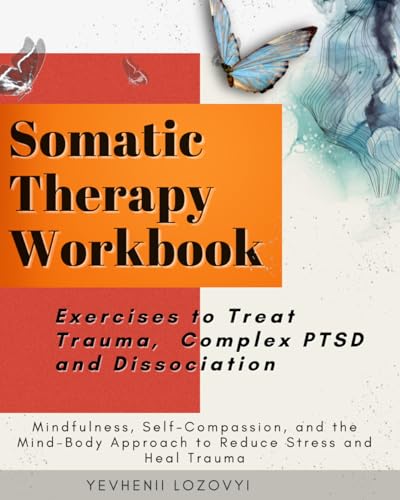
The process involves monitoring activation degrees, observing where power gets stuck, and permitting natural discharge with trembling, deep breaths, or warmth spreading via the body. It sounds simple, yet it's unbelievably effective. Study reveals Somatic Experiencing minimizes PTSD signs and symptoms, anxiety, pain-related issues, and general anxiousness in both traumatized and non-traumatized populaces.
Why Online Therapy Works for Somatic Work
I was hesitant about doing body-based therapy online. Wouldn't physical visibility matter a lot more for this kind of work? Surprisingly, virtual sessions provided unforeseen benefits.
Remaining in my own area produced safety I never ever really felt in a workplace. I could pace, lie down, or relocate as my body required without self-consciousness. There was no commute to activate anxiety ahead of time or require me to "draw it with each other" instantly after extreme sessions. I can process on my sofa with my pet close to me.
Online somatic therapy also makes customized injury therapy easily accessible no matter area. Discovering a carrier educated in Brainspotting, Somatic Experiencing, and trauma-informed strategies in your area can be almost difficult. Telehealth removes geographical barriers to expert care.
Accelerated Resolution Treatment: Quick Relief Without Retelling
One modality that shocked me was Accelerated Resolution Therapy. Unlike conventional injury treatment calling for repeated retelling of agonizing memories, ART utilizes eye movements and visualization to swiftly lower distress.
I processed a traumatic event that had activated flashbacks for months. In two sessions. Without describing details to my specialist. The memory no more lugs the same emotional fee-- I can recall what took place without my body reacting as if it's happening now.
For individuals concerned about re-traumatization or who locate spoken handling overwhelming, ART supplies a gentler path. It's particularly efficient for single-incident injuries, phobias, and performance anxiousness.
The Protected Protocol: Managing Through Audio
My therapist likewise introduced me to the Safe Procedure-- a five-hour acoustic treatment making use of specifically filtered music to stimulate the vagus nerve. This wasn't concerning leisure music; it was concerning from a physical standpoint shifting my nerves's baseline.
After completing SSP, I discovered I might handle tension differently. My home window of resistance broadened. Scenarios that previously sent me into fight-or-flight produced convenient pain instead. The protocol basically helped my worried system remember what safety really feels like at a neurological degree.
What Reliable Injury Treatment Really Addresses
Quality somatic treatment goes past signs and symptom management to address origin nerve system dysregulation. This consists of recognizing just how injury produces physical holding patterns-- persistent shoulder tension, limited breathing, postural adjustments that signal recurring hazard action.
Efficient therapy aids recognize these patterns, comprehend what triggers activation, establish sources for regulation, slowly process entraped survival power, and restore ability for present-moment awareness and connection.
For stress and anxiety especially, somatic approaches acknowledge that nervous thoughts are frequently secondary to nerve system activation. Address the physical state, and cognitive signs usually deal with normally.
The Therapy Intensive Choice
One facet that attracted me was the alternative for therapy intensives-- focused sessions over one or two days as opposed to weekly 50-minute visits. For people with requiring routines or those looking for accelerated results, intensives provide quick relief with reasonably small time investment.
There's something powerful about sustained healing work without week-long breaks in between sessions. My nerves kept momentum, and modifications incorporated faster than the start-stop pattern of once a week therapy.
Keywords for Finding Somatic Trauma Therapy Online
If you're looking for this sort of treatment, pertinent terms consist of on the internet trauma treatment, somatic experiencing therapist, Brainspotting treatment digital, trauma treatment telehealth, anxiousness treatment online, body-based trauma treatment, anxious system guideline therapy, PTSD therapy online, somatic treatment for anxiousness, trauma-informed on the internet therapist, Accelerated Resolution Treatment, polyvagal therapy online, and mind-body injury recovery.
Look for credentials like SEP (Somatic Experiencing Professional) accreditation, Brainspotting training, and trauma-specific qualifications past basic licensure.
The Fact of Body-Based Recovery
Somatic therapy isn't magic, and it's not constantly comfortable. Processing trapped survival power can really feel extreme-- shaking, heat, tears, or short-term increases in anxiety as your system launches what it's been holding. Yet unlike the countless loophole of talk treatment, this discomfort leads somewhere.
My body lastly kicked back. Not through required breathing workouts or favorable reasoning, yet with finishing the biological responses that got cut off years ago. The persistent stress in my shoulders released. Rest improved. Panic assaults lowered in frequency and intensity.
Most notably, I stopped really feeling pirated by my nerve system. I developed ability to observe activation very early and overview myself back to regulation. That ability-- body-based self-regulation-- is something no amount of cognitive understanding could teach me.
Taking the Very First Step
If you have actually done years of talk therapy and still feel stuck, if you recognize your trauma intellectually but your body won't release, if anxiety lives in your chest and shoulders more than your thoughts, somatic treatment might be the missing piece.
Try to find suppliers offering free of charge appointments-- it's crucial to discover someone whose technique resonates with you. Ask regarding their training in body-based methods, their experience with injury, and whether they supply flexible layouts like intensives or online sessions.
Healing happens when we lastly offer the body what the mind alone could not supply: a means to complete what was left unfinished, launch what was caught, and return to a managed standard. That's not simply therapeutic theory-- it's the distinction between surviving and actually living.

Table of Contents
- – The Space Between Understanding and Recovering
- – What Makes Somatic Treatment Different
- – Just How Brainspotting Changed Whatever
- – The Power of Somatic Experiencing for Anxiousness
- – Why Online Therapy Works for Somatic Work
- – Accelerated Resolution Treatment: Quick Relief...
- – The Protected Protocol: Managing Through Audio
- – What Reliable Injury Treatment Really Addresses
- – The Therapy Intensive Choice
- – Keywords for Finding Somatic Trauma Therapy On...
- – The Fact of Body-Based Recovery
- – Taking the Very First Step
Latest Posts
The Success-Guilt Cycle
When Intimacy Counseling Becomes Critical
Synaptic Rewiring and Lasting Recovery: Why Ketamine Enables Enduring Transformation
More
Latest Posts
The Success-Guilt Cycle
When Intimacy Counseling Becomes Critical
Synaptic Rewiring and Lasting Recovery: Why Ketamine Enables Enduring Transformation